
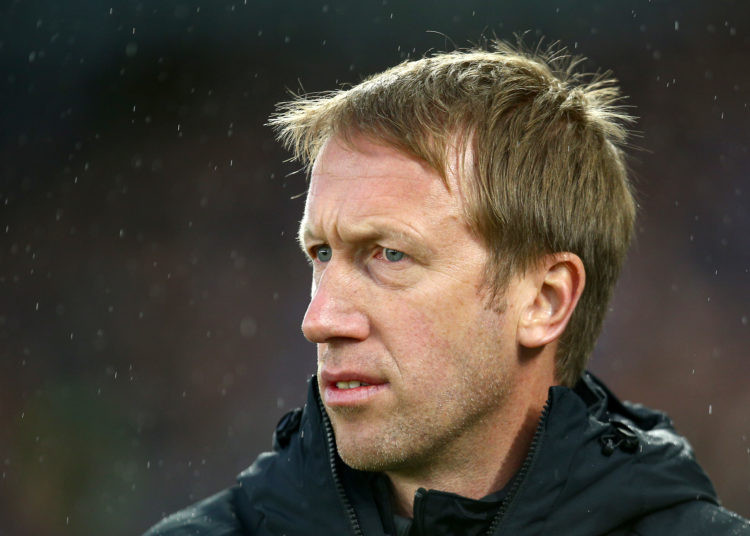
A place at the 2026 FIFA World Cup is on the line on Tuesday night as Sweden host Poland in a high-pressure playoff final in Solna.
This is not just another knockout fixture between two well-matched European sides. It is also a rematch loaded with recent history, emotional baggage and unfinished business. Poland broke Swedish hearts in the last World Cup playoff cycle, and now Sweden have a chance to return the favour on home soil.
If this final had been judged solely on Sweden’s early qualifying campaign, they would have looked nowhere near World Cup level. Their first phase was poor by almost any measure. They struggled badly for consistency, lacked attacking threat for long stretches and looked vulnerable defensively. But the playoff route has given them a second life, and they have taken it.
Thursday’s semi-final win over Ukraine was their most encouraging performance in some time where Viktor Gyokeres was the headline act, producing a hat-trick that not only sent Sweden through but also reminded everyone of the individual quality they still possess in the final third.
There is also a sense that Graham Potter has begun to steady a squad that had looked directionless not so long ago. The structure is not perfect yet, but there are signs of renewed belief and sharper attacking identity. In a one-off final, that may matter more than the flaws that still exist. And unlike four years ago, Sweden now have home advantage, a factor that could prove extremely significant.
While Poland may still feel they should have qualified automatically, there is little doubt they come into this playoff final as a side in better overall rhythm than they were during previous turbulent spells. Under Jan Urban, the mood appears calmer, the squad more united, and the football more coherent.
Their semi-final win over Albania was not flawless, but it was revealing. Poland showed composure, patience and the ability to recover from a setback, all of which are valuable traits in playoff football. The fact that Robert Lewandowski and Piotr Zielinski again stepped up in a high-pressure match only strengthens the feeling that Poland have the kind of senior quality capable of deciding games like this.
Sweden are likely to approach the game with greater urgency and verticality, especially with the crowd behind them. Expect them to try to get the ball into dangerous areas quickly, use Gyokeres as a direct attacking outlet and turn moments of transition into pressure.
Poland, by contrast, may be more measured. They have enough technical quality in midfield and enough experience in attack to avoid becoming rushed. If they can manage the emotional tempo of the game and force Sweden into moments of impatience, they may begin to gain control.
That could make the midfield battle especially important. If Sweden can turn this into a physically intense, direct contest, they may have the edge. If Poland are allowed to settle and build rhythm through their experienced core, the balance could shift. The Hard Tackle takes a look at how the teams could line up on the night and what tactics they might employ.
For Sweden, Graham Potter continues to deal with several important absences ahead of this decisive playoff final, and those missing names could have a significant impact on both selection and tactical balance. The biggest blow remains the continued absence of Alexander Isak, who is still unavailable through injury, depriving Sweden of one of their most dangerous and technically gifted attacking players. They are also without Emil Krafth and Dejan Kulusevski, both of whom remain sidelined, further reducing options in defence and attack. To make matters more difficult, centre-back Isak Hien has now joined the injury list after being forced off during the semi-final win over Ukraine.
There is also a concern surrounding Gabriel Gudmundsson, who was withdrawn in the same match, meaning Sweden may need to make a late decision on the left side of the team. There are no major suspension concerns reported for the hosts heading into this game, but the injury list is substantial enough to force Graham Potter into a few key adjustments. The one major positive is that Viktor Gyokeres enters the match in outstanding form after his semi-final hat-trick, and he now looks set to carry even more attacking responsibility.
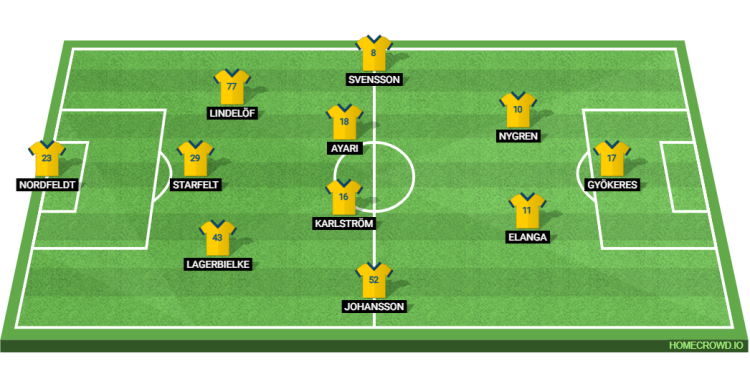
Tactically, Sweden are expected to line up in a 3-4-2-1 formation, a system that should allow them to stay compact while still supporting Gyokeres with runners and width. In goal, Kristoffer Nordfeldt is likely to start and will be expected to provide calmness and experience behind a defence that may once again need to adapt. The back three should consist of Gustav Lagerbielke, Carl Starfelt, and Victor Lindelof. Lindelof is likely to be the leader of that defensive unit, using his experience and positional awareness to help Sweden stay organised in a high-pressure game. Starfelt should bring physicality and defensive aggression, while Lagerbielke may be asked to help cover wider areas and support build-up play from the back.
Across midfield, Emil Johansson is expected to operate as the right wing-back, while Daniel Svensson may be called upon on the left if Gabriel Gudmundsson is not fit enough to start. Johansson should provide energy and support down the flank, while Svensson’s role would likely involve both defensive discipline and the ability to push forward when space opens up. In central midfield, Jesper Karlstrom and Yasin Ayari are expected to form the core partnership. Karlstrom should provide a more defensive and stabilising presence, while Ayari offers mobility, progression and a little more technical quality when Sweden are trying to build attacks through the middle.
Further forward, Sweden are expected to use Anthony Elanga and Gustaf Nygren in the two advanced support roles behind Viktor Gyokeres. Elanga should bring pace, direct running and the ability to stretch Poland’s back line, while Nygren may be tasked with drifting into pockets of space and helping connect midfield with attack. At the top of the system, Gyokeres will once again be Sweden’s main attacking focal point. After his hat-trick in the semi-final, all eyes will be on him to provide the finishing touch, but his role will likely extend beyond goals alone, as he will also be expected to hold the ball up, occupy defenders and bring others into the game.
Probable Lineup (3-4-2-1): Nordfeldt; Lagerbielke, Starfelt, Lindelof; Johansson, Karlstrom, Ayari, Svensson; Elanga, Nygren; Gyokeres
For Poland, the main team news heading into this playoff final is relatively positive, with Jan Urban expected to have most of his key players available for this crucial encounter. There are no major fresh injury concerns reported for the visitors, which means Poland should be able to field a strong and experienced side in Solna. One important development is the return of Nicola Zalewski, who is back available after serving his suspension in the semi-final.
His availability gives Poland an added creative and tactical option in wide or advanced areas and could lead to a slight reshuffle in the attacking structure. While Poland continue to rely heavily on established leaders such as Robert Lewandowski and Piotr Zielinski, there is also a growing sense of transition within the squad, with younger talents such as Filip Rozga and Oskar Pietuszewski beginning to make an impression. However, given the magnitude of this match, it would be no surprise if Urban leans more toward experience than experimentation from the outset.
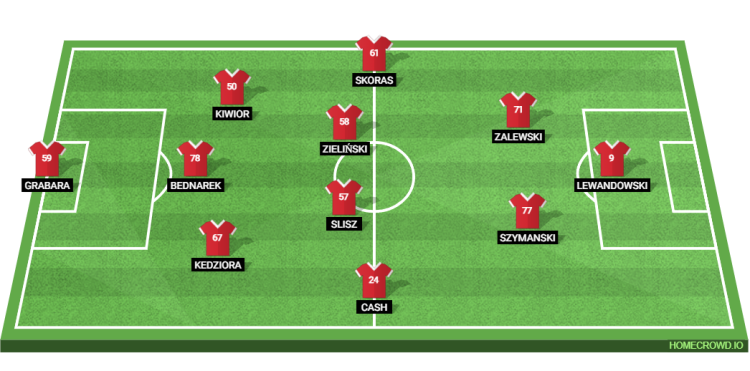
Tactically, Poland are expected to line up in a 3-4-2-1 formation, a setup that should allow them to stay defensively solid while still providing support around their captain and focal striker. In goal, Kamil Grabara is likely to continue between the posts and will be expected to bring calmness and command in what could be a tense and physically demanding match. The back three should consist of Tomasz Kedziora, Jan Bednarek, and Jakub Kiwior. Bednarek is likely to act as the central organiser, using his experience to keep the line compact, while Kiwior offers composure and left-footed balance in possession. Kedziora should provide defensive reliability on the right side of the three and may be asked to help cover wider spaces when Sweden attack down the flanks.
Across midfield, Matty Cash is expected to operate as the right wing-back, bringing pace, width and energy both in attack and recovery situations. On the opposite side, Michal Skoras is likely to start as the left wing-back, where his movement and willingness to drive forward could help Poland stretch Sweden’s defensive shape. In central midfield, Bartosz Slisz and Piotr Zielinski are expected to form the core partnership. Slisz should provide the defensive work, pressing and ball recovery, while Zielinski remains one of Poland’s most important technical players and will be tasked with controlling the tempo, progressing the ball and supporting attacks with his passing and movement.
Further forward, Poland are expected to use Sebastian Szymanski and Nicola Zalewski in the two advanced support roles behind Robert Lewandowski. Szymanski should offer creativity and movement between the lines, while Zalewski’s return gives Poland a more dynamic and technically sharp option in advanced areas. At the top of the system, Lewandowski remains the side’s biggest danger and most proven match-winner. His movement, finishing and experience in high-pressure matches make him the obvious player Sweden must contain if they are to keep Poland quiet.
Probable Lineup (3-4-2-1): Grabara; Kedziora, Bednarek, Kiwior; Cash, Slisz, Zielinski, Skoras; Szymanski, Zalewski; Lewandowski
Sweden’s hopes of reaching the World Cup now feel closely tied to the form and confidence of their centre-forward, and after his hat-trick in the semi-final against Ukraine, he arrives as the most dangerous attacking player on the pitch. In a match where chances may be limited and pressure will be immense, having a striker in that kind of rhythm can be the difference between qualification and heartbreak.
What makes Gyokeres so important is not just the goals, but the way he influences the game physically and tactically. With Alexander Isak still unavailable, Sweden’s attacking structure is likely to revolve around him even more heavily. He gives them a focal point, a runner in behind, and someone capable of occupying defenders on his own. That is especially valuable in a one-off final where control can often be patchy and moments of directness become decisive.
Against Poland, his duel with their back line could define the match. Poland are likely to stay compact and disciplined, but if Sweden can get runners around Gyokeres and feed him quickly in transition or from wide areas, he has the strength and movement to make life extremely uncomfortable for them. He also enters the match with a point to prove. For all his club-level quality, he had not found the net in this World Cup cycle until his explosive display in the semi-final, and now he has the chance to become the face of Sweden’s qualification push.
This is the kind of occasion where strikers can become national heroes, and if Sweden are to finally get their revenge on Poland and book their place at the 2026 World Cup, Viktor Gyokeres feels like the man most likely to lead the charge.
This feels like one of the tightest playoff finals on the board, and it would be no surprise if it turned into a tense, physical and emotionally charged contest.
Sweden will take confidence from home advantage and from the form of Viktor Gyokeres, who looks capable of producing another decisive performance if given the right service. There is also a strong emotional edge to this game for Sweden after the heartbreak of losing to Poland in the previous World Cup playoff cycle, and that sense of unfinished business could fuel a strong performance in Solna.
At the same time, Poland remain extremely dangerous in matches like this. They have more proven big-game experience in key attacking areas, and players such as Robert Lewandowski and Piotr Zieliński are more than capable of deciding a tight playoff final with a single moment of quality. Sweden may have the momentum and the home crowd, but Poland’s experience should ensure this stays close throughout. Still, the hosts look just slightly better placed to edge it.
